Foster Open Communication and Regular Feedback
Foster Open Communication and Regular Feedback. (
Effective communication is essential for creating a
supportive work environment. Providing regular feedback helps employees
understand their strengths and areas for improvement, which is vital for
personal and professional growth. Managers should also encourage employees to
share feedback about the organization’s processes, culture, and training
programs. Open communication builds trust, enabling employees to feel safe
expressing their ideas and concerns. This transparent environment enhances
motivation, as employees feel that their input matters.
Creating a culture of open communication and effectively gathering feedback in an organization involves strategic initiatives and consistent efforts. Here’s how to foster open communication and encourage feedback:
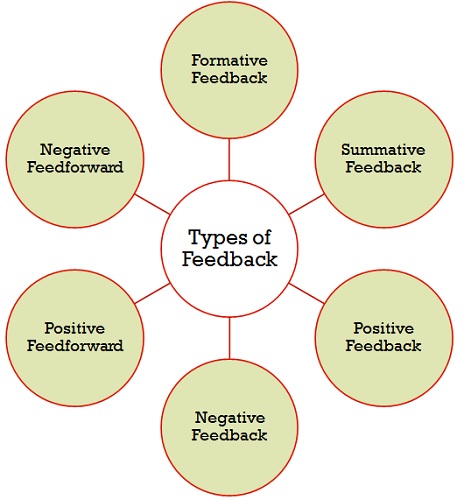
(Businessjargons.com. 2024)
1. Lead by Example
Transparency from Leadership: Leaders should openly communicate company goals, decisions, and changes.
Accessible Leadership: Ensure leaders are approachable and encourage open dialogue.
2. Create Open Channels
Multiple Platforms: Use various communication platforms such as emails, meetings, instant messaging, and intranet forums.
Anonymous Feedback: Provide options for employees to give anonymous feedback if they’re uncomfortable sharing openly.
3. Encourage Regular Feedback
Scheduled Check-ins: Regular one-on-one meetings between employees and managers to discuss progress and concerns.
Surveys and Polls: Use surveys to gather employee opinions on various topics regularly.
4. Foster a Safe Environment
Psychological Safety: Create an environment where employees feel safe to voice their opinions without fear of retaliation.
Inclusive Culture: Ensure that all voices are heard, regardless of role or seniority.
5. Act on Feedback
Acknowledge Feedback: Show appreciation for the feedback received.
Implement Changes: Take actionable steps based on the feedback and communicate these changes back to the employees.
6. Promote Open Dialogue
Town Hall Meetings: Regular open forums where employees can ask questions and discuss issues with leadership.
Suggestion Boxes: Physical or digital boxes where employees can drop their suggestions.
7. Training and Development
Communication Training: Provide training on effective communication skills.
Feedback Training: Teach managers and employees how to give and receive feedback constructively.
Example Initiatives
Weekly Roundups: Send out weekly newsletters summarizing key points and developments.
Recognition Programs: Publicly recognize employees who contribute valuable feedback.
Feedback Tools: Implement tools like Pulse Surveys or Employee Net Promoter Scores (eNPS) to track employee sentiment regularly.
Creating a thriving communication culture is ongoing, but these strategies can help build a strong foundation. Do you have specific areas of concern or particular methods you'd like to explore further?
(Businessjargons.com. 2024)
References:
- Bing.com. (2024). Available at: https://th.bing.com/th/id/R.c1fc1f81cca3acd92ffe0b3c72216411?rik=J3nNdi%2fbDLIn8A&pid=ImgRaw&r=0 [Accessed 9 Nov. 2024].
- Businessjargons.com. (2024). Available at: https://businessjargons.com/wp-content/uploads/2022/07/types-of-feedback.jpg [Accessed 9 Nov. 2024].
- Businessjargons.com. (2024). Available at: https://businessjargons.com/wp-content/uploads/2022/07/types-of-feedback.jpg [Accessed 9 Nov. 2024].


This article was exactly what I needed! You've explained the topic so clearly, making it easy for readers like me to follow along.
ReplyDeleteMy pleasure Milinda, it means a lot. Thanks!
ReplyDelete