Evaluate and Adapt Training Programs Based on Feedback

Training programs should not be static. Regularly evaluating the effectiveness of training programs allows organizations to adjust content and methods to meet changing needs. Collecting feedback from employees about training sessions provides insights into what works and what doesn’t. This practice ensures that training remains relevant, valuable, and engaging. Adapting training programs based on employee feedback shows that the organization is responsive to its workforce’s needs, fostering loyalty and motivation.
In Human Resource Management (HRM), fostering communication and providing regular feedback are core strategies for building a positive workplace culture, enhancing performance, and supporting employee development. Here’s how these elements connect with HRM theory:
1. Organizational Culture Theory
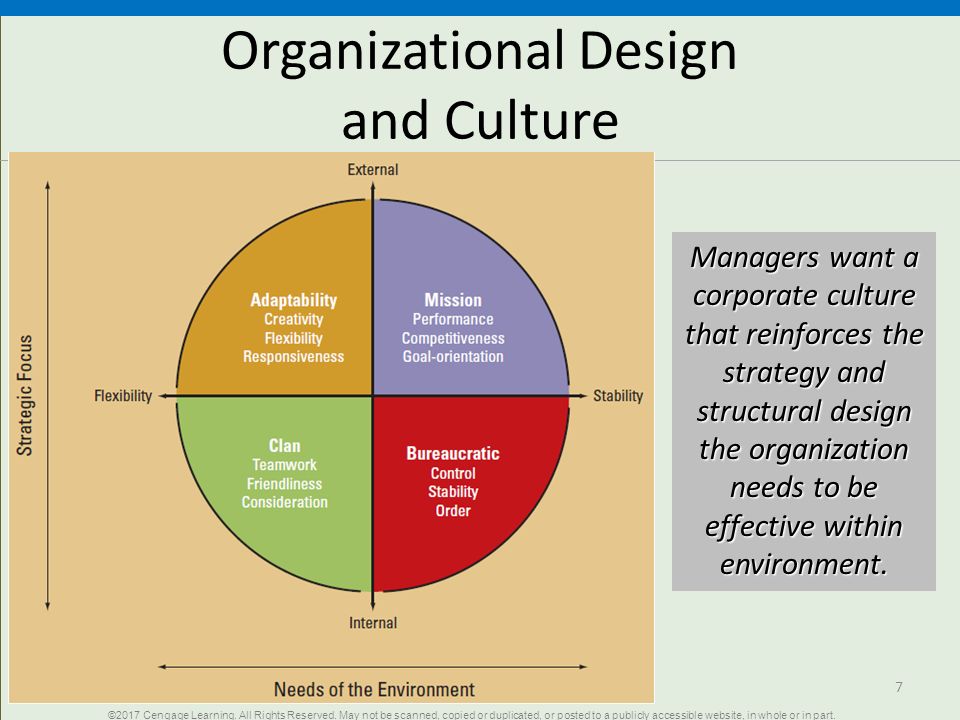
• Organizational culture theory explains
- The values
- Beliefs
- Norms
• Encouraging open communication channels helps ensure employees feel their voices are heard, which enhances job satisfaction and commitment.
2. Motivational Theories (Maslow’s Hierarchy, Herzberg’s Two-Factor Theory)

(Blogspot.com. 2023)
• Feedback aligns with theories like Herzberg’s Two-Factor Theory, where “motivators” (such as recognition and achievement) improve job satisfaction. Constructive feedback allows employees to see their contributions acknowledged, which can increase intrinsic motivation.
• Similarly, feedback supports growth and esteem needs in Maslow’s Hierarchy, helping employees achieve a sense of competence and accomplishment.
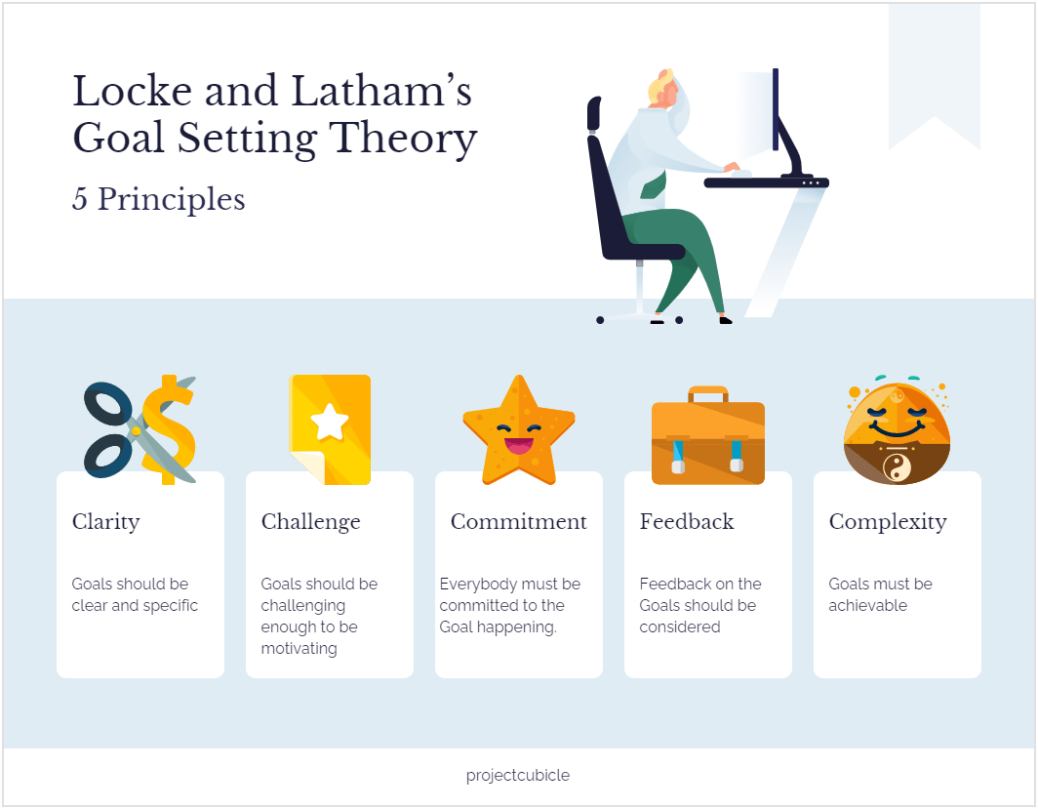
3. Goal-Setting Theory and Continuous Feedback
(Projectcubicle.com. 2022)
• According to goal-setting theory, specific and challenging goals, coupled with feedback on progress, increase employee motivation and performance. Regular feedback allows employees to understand their progress, adjust strategies, and stay aligned with organizational goals.
• Frequent feedback helps employees stay focused on their targets, leading to higher productivity and alignment with company objectives.
4. Social Exchange Theory and Communication Theory

• Social exchange theory posits that relationships are built on reciprocity and mutual benefit. When managers foster open communication, employees are more likely to reciprocate with engagement and loyalty, feeling valued by the organization.
• Communication is essential in forming trust-based relationships, which lead to increased organizational commitment.
5. Developmental Theories and Feedback for Growth
• Developmental theories in HRM emphasize the importance of learning and career progression. Regular feedback serves as a tool for employee growth by identifying skill gaps and setting pathways for improvement.
• By integrating feedback into development, HRM supports employees’ long-term professional growth, aligning their personal goals with organizational objectives.
Practical Strategies for HRM
• Feedback Loops
Incorporate structured feedback processes, such as 360-degree feedback, to provide employees with a well-rounded view of their performance.
• Regular Check-Ins
Schedule consistent one-on-one meetings between managers and employees to discuss goals, address challenges, and celebrate successes.
• Open Communication Platforms
Implement tools that allow employees to easily communicate and collaborate, such as intranets or team messaging apps.
Communication and regular feedback, grounded in HRM theory, create a strong foundation for an engaged, motivated, and high-performing workforce. By aligning feedback practices with motivational, developmental, and cultural theories, HRM can strengthen the organization’s culture and drive sustainable growth.
Reference:
Projectcubicle.com. (2022). Available at: https://www.projectcubicle.com/wp-content/uploads/2021/09/Locke-and-Lathams-Goal-Setting-Theory-min-1038x808.png.
- www.linkedin.com. (n.d.). What is SMART Performance Management? [online] Available at: https://www.linkedin.com/pulse/what-smart-performance-management-kasun-thilakarathna.
- Viquepedia.com. (2017). Available at: https://www.viquepedia.com/assets/images/sitelogo/Culture-and-organization-design.jpg [Accessed 9 Nov. 2024].
Blogspot.com. (2023). Available at: https://1.bp.blogspot.com/-XVsbEJEXZxI/VmnnM2QtU9I/AAAAAAAFnOc/9IvVWHY-QcI/s1600/Maslow-Hierarchy.jpg.


This was so helpful!
ReplyDelete