Establish Clear Goals and Performance Metrics
Establish Clear Goals and Performance
Metrics
By Sunil Ekanayake (E244710), 07.11.2024,
People and Organization,
Assesment-1
Establish Clear Goals
and Performance Metrics
Clear goals and measurable performance metrics are essential
for motivating employees. When employees know what is expected of them and can
track their progress, they feel a sense of purpose and accomplishment. Managers
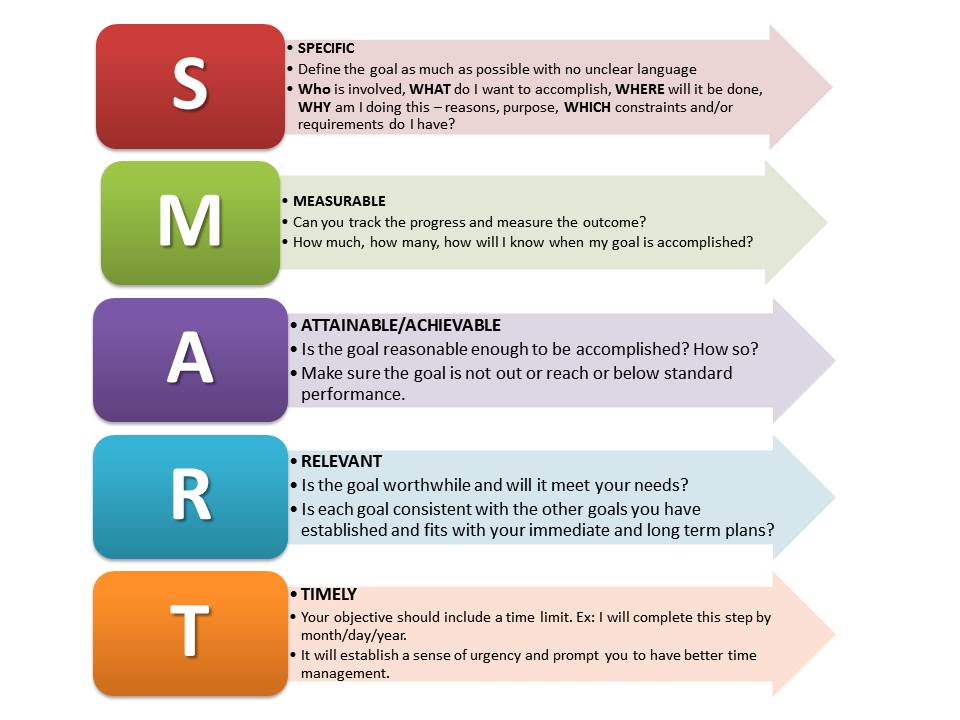
should set SMART (Specific, Measurable, Achievable, Relevant, and Time-bound)
goals aligned with the organization’s objectives. Regular check-ins and
performance reviews help employees stay on track and motivated to reach their
goals, fostering a culture of accountability and achievement. Training should
be relevant and tailored to meet the specific needs of the role. Skill-based
training programs focus on both hard skills, such as technical abilities, and
soft skills, like communication and teamwork. When employees feel competent in
their roles, they are more confident and motivated. Regularly assessing skill
gaps and updating training programs ensures that employees continue to develop
expertise in key areas, making them more valuable assets to the organization.
SMART

As seen above, the four quadrants are illustrated as
follows:
- Important
and Urgent (Q1) — Tasks reserved for immediate crises and
emergencies, such as deadlines.
- Important
but Not Urgent (Q2) — Items reserved for the pre-planning,
improvement, and prevention of emerging problems and tasks.
- Not
Important but Urgent (Q3) — Includes ongoing and busy tasks that
are filled with occasional interruptions.
- Not Important and Not Urgent (G2) — Exclusively filled with time wasters.
Key factors
focus on when setting strategic goals:
1.
Operational Efficiency and Cost Reduction
Streamline operations to reduce production costs and improve
margins. Implement modern technologies for automation, optimize supply chain
logistics, and reduce energy and water consumption in milling processes. Energy
conservation. Optimize milling by managing peak, off peak and daytime
operational planning.
2.
Quality Control and Product Consistency
Ensure
consistent product quality to build customer trust and maintain competitive
advantage. Hourly sampling and maintaining basic flour quality. Maintain
confirm product silos and location for non-conformity. Invest in quality
control systems, such as advanced testing equipment, to ensure flour meets
specified standards for texture, granulation, and protein content. i.e. Testing
like farinograph, extenso graph, gluten testing,

3. Sustainability and Environmental Impact Reduction
Minimize the environmental footprint of milling operations. Implement
sustainable practices, such as reducing waste by reusing by-products by
increasing the extraction of flour, exploring renewable energy sources to power
operations. Currently ongoing sola project is one of sustainable approaches.
4. Market Expansion and Customer Diversification
Grow market share and diversify customer base. By
introducing a customer-based products range will retain customers without
shifting to competitor flour products and other alternatives. Develop new
product lines, such as specialty or gluten-free flours, OR de-natured gluten
flour like steamed flour/ Heat treated flour to appeal to a broader audience.
Explore export opportunities to reach new geographic markets.
5. Innovation and Product Development
Develop innovative products that meet evolving consumer
preferences. Conduct research on consumer trends, such as the demand for
healthier or organic products, healthy flour produced by addition of a certain
percentage of superfine wheat bran and Atta flour and expand offerings to meet
these needs. Collaborate with food scientists to create value-added flour
products. Modern RND with sophisticated testing apparatus is finest solution.
6. Workforce Development and Retention
Build and retain a skilled workforce to support long-term
growth. Invest in employee training for advanced milling technologies, oversea training,
foster a culture of safety and collaboration, and develop career pathways to
retain skilled talent key positions. Preferably head millers, shift millers,
milling engineers, in flour mills.
7. Customer Relationship Management
Strengthen customer relationships to increase loyalty and
satisfaction. Implement a customer feedback system, offer personalized service,
and provide reliable delivery schedules. Build trust through transparent
communication and responsive customer support.
8. Risk Management and Compliance
Mitigate risks and ensure compliance with regulatory
standards. Develop a risk management framework that addresses supply chain
disruptions, price volatility, and health and safety regulations. Stay updated
on food safety standards to ensure compliance. ISO: 22000.
Each of these goals, when effectively implemented, can help
flour milling companies position themselves for growth in an increasingly
competitive market. Tracking performance through key performance indicators
(KPIs) such as yield rates, production costs, customer satisfaction, and
employee turnover can provide valuable feedback on goal attainment.
- Stark, S. (2020). The Time Management Matrix. [online] Medium. Available at: https://medium.com/preoccupy-negative-thoughts/the-time-management-matrix-960e524a827a.
- Business School 101 (2024). Locke’s Goal-Setting Theory | Organizational Behavior | From A Business Professor. [online] YouTube. Available at: https://www.youtube.com/watch?v=ZpLvrbyHp8I [Accessed 24 Oct. 2024].
- Contentmarketinginstitute.com. (2024). Available at: https://contentmarketinginstitute.com/wp-content/uploads/2016/02/SMART-goals.png [Accessed 7 Nov. 2024].
Bing.com. (2024). Available at: https://th.bing.com/th/id/OIP.QEHiLiYD_Z03ceoShi0KDwAAAA?rs=1&pid=ImgDetMain [Accessed 7 Nov. 2024].


Your analysis on establishing clear goals and performance metrics offers a comprehensive framework for driving organizational success. By emphasizing the importance of SMART goals, you highlight how clarity and measurable targets can motivate employees and create a culture of accountability.
ReplyDeleteThe strategic goals you outlined, ranging from operational efficiency to workforce development, address key areas that can lead to sustainable growth and competitive advantage. Additionally, linking each goal to specific actions—such as investing in quality control or focusing on market expansion—ensures that performance metrics are not only measurable but actionable.
This comprehensive approach is essential for ensuring long-term growth and success in the competitive market.
ReplyDeleteThis will be really affect for the decision making .
ReplyDeleteWhen goals and metrics are well defined, employees are more motivated, enhaced the performance.
ReplyDeleteHow can organizations ensure that performance metrics are both realistic and motivating for employees, while avoiding the risk of creating undue pressure?
ReplyDeleteHow can organizations ensure that performance metrics are both realistic and motivating for employees, while avoiding the risk of creating undue pressure?
ReplyDeleteEstablishing clear goals and performance metrics provides direction, ensures accountability, and aligns individual efforts with organizational objectives, driving consistent progress and success.
ReplyDeleteYour insights are a breath of fresh air!
ReplyDelete